
If you’re joining the EV future and eager to learn more about the Lectrium Level 2 Charger, we’re here to help. There are three levels of charging that could be available on your electric vehicle. They are Level 1, Level 2, and Level 3. Each is specifically suited to provide charging capabilities at different capacities.
Level 1 charging requires the most amount of time to charge your EV battery but is very convenient. These portable chargers fit into most wall outlets, making them excellent for home charging and allowing you to charge in many different scenarios, such as at a neighbor’s house, while shopping in town, and in other spots.
Level 2 charging, which will be outlined in more detail, is ideal for overnight charging. It often requires a professionally installed connection at your home.
Level 3 charging is the fastest available charging method but is incompatible with most homes. These systems are mainly found at public fast-charging stations.
Level 2 charging provided by Lectrium is the top choice of Clement Ford for EV charging in the convenience of drivers’ homes. This charging technology is compatible with most EVs and PHEVs, making it an increasingly popular choice for many electric vehicle drivers. Our trusted partner, Lectrium, provides a variety of home charging station options for you to explore and offers easy installation.
Professional installation is recommended to get the most out of your Lectrium Level 2 charging station, and it’s well worth the wait to have your home’s station set up properly. Once equipped, you’ll be able to schedule charging times via your smartphone app timer and adjust your energy consumption with the push of a button if needed.
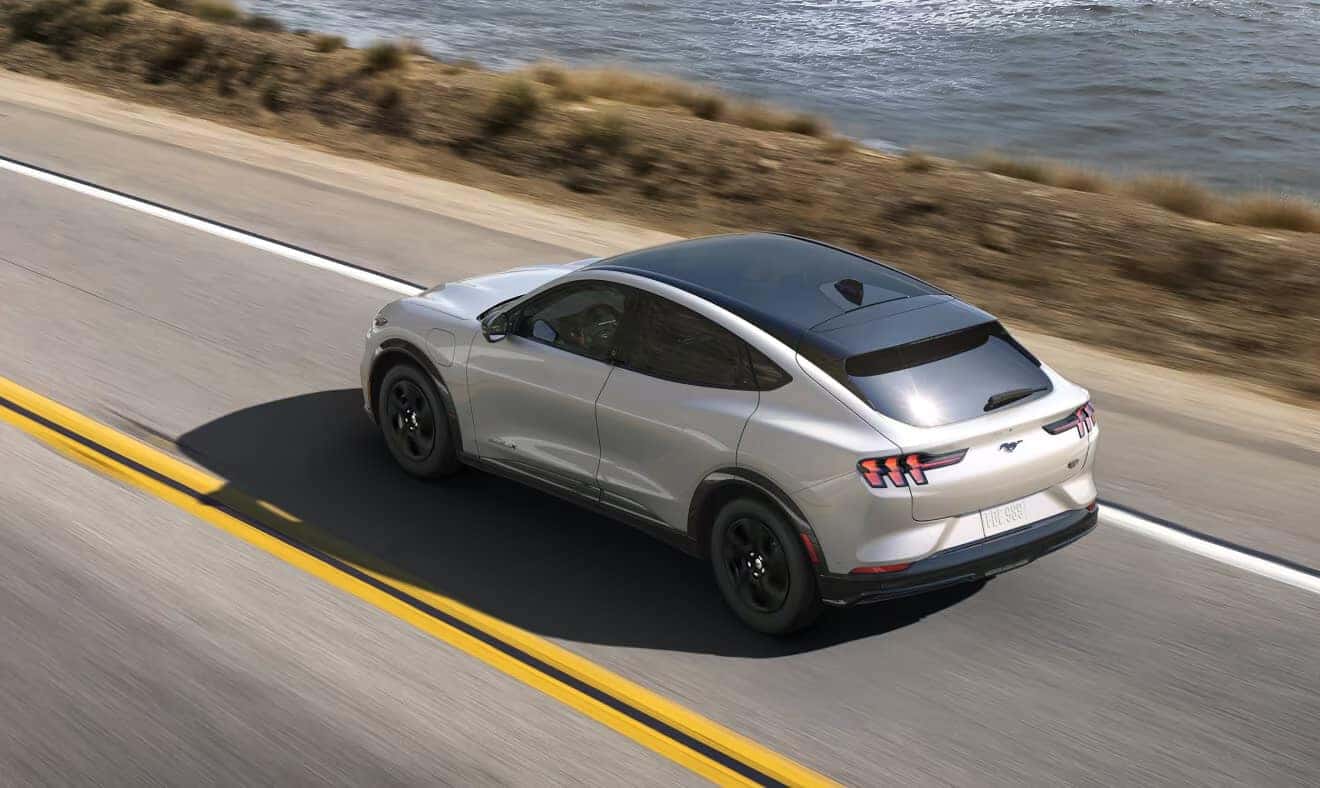
The speed of your charge is measured in kW. To provide an example, say you have a Ford Mustang Mach-E, and the model you have has a 70 kWh battery. The process to charge the vehicle with a 10 kW charger from 0 to 100% will take approximately seven hours.
Each Lectrium charger has a warranty of three full years. This means if anything goes wrong with your home station that’s covered under the terms, you’ll have protection up until three years after installation.1 If you have any further questions surrounding the warranty on Lectrium charging stations, please reach out to us directly.
After you secure your purchase for a Lectrium charging station, your charger will be shipped directly to you. Once it has arrived, an associate from Lectrium will contact you and provide a quote for a professional installation. If you choose to go this route, which is highly recommended, a time will be set for a Lectrium engineer to visit your home and install your charger properly.
For all the above reasons and more, it’s with great pleasure that we have chosen to be a Lectrium EV charging partner. Your Ford EV deserves a top-tier charging station from our trusted partner, Lectrium.
The amperage your Lectrium Level 2 Charger will need is 16A, 24A, 32A, or 40A, depending on the charger. Your home station will utilize a 240V connection. It is highly recommended that you utilize the professional engineers at Lectrium to handle your installation. After purchasing your charger, you’ll be contacted by Lectrium to set up an installation time. They’ll provide you with a quote, schedule the installation, and handle the rest.
It’s important that the correct wire size is selected. A professional electrician should assess your charger and outlets to ensure a safe connection. For example, to install a NEMA 14-50 outlet for your 40A charger, the wire should be an eight-gauge cable. To learn more about the correct wires needed for each charger, please contact one of our friendly customer service associates.
This will depend on your vehicle, but the majority of EVs in the United States use an SAE J1772 connector. This is the standard charger plug and is maintained by SAE International as the designated charger for most EVs. If you have questions about which charger plug type your vehicle has, please consult the owner’s manual or reach out to our staff directly.
There is no standard length when it comes to an EV charging cable. However, one of the most popular length selections for the charging cable is over 20 feet long. This can be adjusted depending on the setup that you have in your home. If you’re looking to install a cable on an exterior wall and need more than 20 feet, it’s recommended to install your charger elsewhere.
That choice is up to you. EV chargers can be hardwired or plugged into an outlet that is near the charger. A hardwire means that the cable attachment is secured directly to your electrical panel. If you’re unsure whether or not your charger should be hardwired, consult with the Lectrium team after your purchase for a professional recommendation and solution.
A smart charger has built-in connectivity, allowing it to connect to the internet via Bluetooth®, Wi-Fi, 5G, or ethernet. Please note that some smart chargers can only be connected via Wi-Fi or 5G. This connection allows you to control your smart charger via your smartphone, allowing you to set charging times, monitor energy consumption, and more right from your phone.