



How Often Should You Change Your Oil? A Guide to Protecting Your Engine
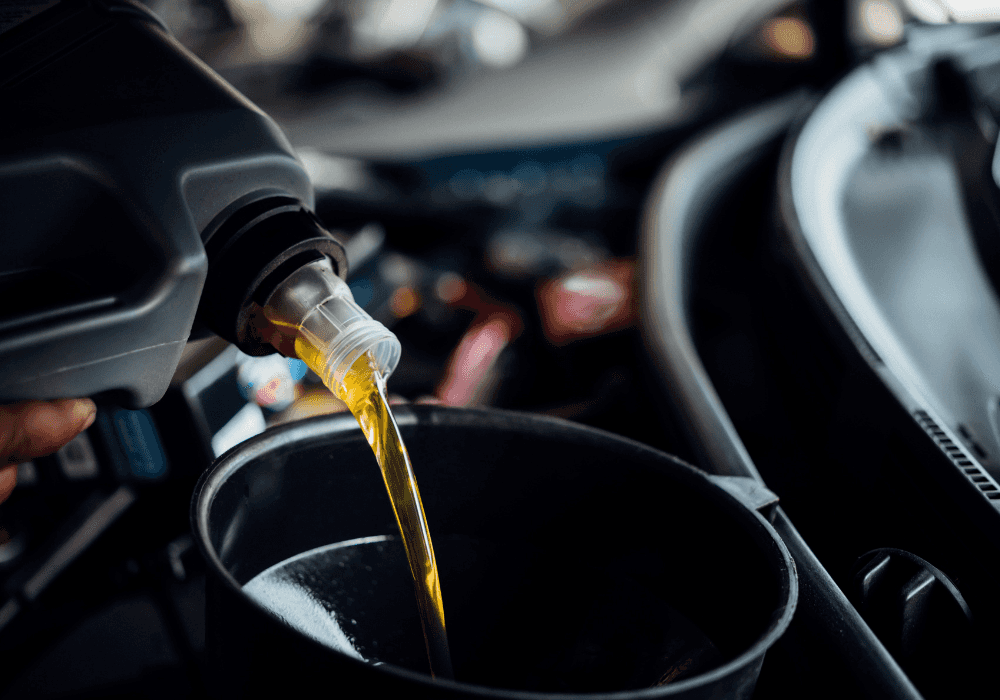
Routine oil changes are one of the most important maintenance services you can perform for your vehicle. Clean engine oil keeps moving parts properly lubricated, reduces friction, helps regulate engine temperature, and removes contaminants that can build up over time. Skipping oil changes or waiting too long between services can lead to increased engine wear, reduced performance, and potentially expensive repairs.
While many drivers have heard the old rule of changing the oil every 3,000 miles, today’s vehicles and modern motor oils have changed those recommendations. Knowing when your vehicle actually needs an oil change can help protect your engine while ensuring it continues to perform at its best.
There Isn’t One Schedule for Every Vehicle
The answer to how often you should change your oil depends on several factors, including your vehicle’s age, the type of oil it uses, your driving habits, and the manufacturer’s recommendations.
Many newer vehicles that use synthetic oil can often go between 7,500 and 10,000 miles between oil changes under normal driving conditions. Vehicles that use conventional oil may require more frequent service, often between 3,000 and 5,000 miles.
The best place to find the recommended oil change interval for your vehicle is your owner’s manual. Many newer vehicles also include an oil life monitoring system that tracks driving conditions and alerts you when it’s time for service.
Following the manufacturer’s maintenance schedule helps ensure your engine receives the protection it needs.
Your Driving Habits Matter
Even if your owner’s manual recommends longer oil change intervals, your driving habits can affect how quickly engine oil breaks down.
Frequent short trips are particularly demanding because the engine often doesn’t reach its optimal operating temperature. This can allow moisture and contaminants to accumulate in the oil.
Stop-and-go traffic, towing heavy loads, driving in extreme temperatures, and traveling on dusty or gravel roads can also cause engine oil to degrade more quickly.
If your vehicle is regularly driven under these conditions, your service schedule may need to be more frequent than the standard recommendation.
Why Clean Oil Is So Important
Engine oil performs several critical functions beyond simple lubrication.
As oil circulates through the engine, it helps reduce friction between moving components, carries heat away from critical engine parts, and traps dirt, metal particles, and combustion byproducts. The oil filter removes many of these contaminants, but over time both the oil and filter become less effective.
As engine oil ages, it gradually loses its ability to protect internal components. Dirty or degraded oil can increase friction, reduce fuel efficiency, contribute to sludge buildup, and accelerate engine wear.
Replacing the oil at the proper intervals helps keep your engine cleaner and operating more efficiently.
Signs Your Vehicle May Need an Oil Change
In addition to following your maintenance schedule, it’s important to pay attention to warning signs that may indicate your vehicle needs fresh oil.
An illuminated oil change reminder or maintenance light is one of the most common indicators. Some vehicles also display the remaining oil life as a percentage on the dashboard.
You may also notice that the engine becomes noisier than usual or doesn’t run as smoothly as it normally does. Dark, dirty oil on the dipstick can also indicate that it’s time for service, although oil naturally darkens as it performs its job.
If you notice any warning lights related to oil pressure, you should stop driving as soon as it is safe to do so and have your vehicle inspected immediately, as low oil pressure can lead to serious engine damage.
Synthetic vs. Conventional Oil
The type of oil your vehicle uses also plays a role in determining service intervals.
Synthetic oil is engineered to provide superior protection under both high and low temperatures. It resists breakdown better than conventional oil and generally allows for longer intervals between oil changes. Many modern vehicles are specifically designed to use synthetic oil because of its improved performance and durability.
Conventional oil remains a reliable option for many older vehicles, but it typically requires more frequent changes due to its shorter lifespan.
Always use the type and viscosity of oil recommended by your vehicle’s manufacturer to ensure optimal engine performance.
Don’t Forget the Oil Filter
Every oil change should also include replacing the oil filter.
The oil filter captures dirt, metal particles, and other contaminants that circulate through the engine. Over time, it can become clogged and less effective, reducing its ability to keep the oil clean.
Installing a new oil filter with every oil change helps ensure fresh oil remains clean for as long as possible and provides maximum protection for your engine.
The Benefits of Routine Oil Changes
Regular oil changes do more than protect your engine. They also contribute to better overall vehicle performance and reliability.
Fresh oil helps improve fuel efficiency by reducing friction inside the engine. It also supports smoother operation, minimizes wear on engine components, and helps maintain proper engine temperatures.
Routine oil service may also help identify other maintenance needs during regular inspections, allowing technicians to spot leaks, worn belts, fluid issues, or other concerns before they become more expensive repairs.
Staying on top of oil changes is one of the easiest and most cost-effective ways to extend the life of your vehicle.
Schedule Your Next Oil Change at Clement Supercenter
Whether you drive a new vehicle or a dependable pre-owned car, truck, or SUV, routine oil changes are essential to keeping your engine running smoothly for years to come.
At Clement Ford, our experienced service technicians provide professional oil change services using the manufacturer-recommended oil and filters for your vehicle. During your visit, we’ll also inspect key components and let you know if we identify any maintenance items that may need attention.
If your vehicle is due for an oil change or you’re unsure when your last service was performed, schedule an appointment with Clement Ford today. Regular oil service is one of the simplest ways to protect your investment, improve engine performance, and keep your vehicle ready for every mile ahead.

0 comment(s) so far on How Often Should You Change Your Oil? A Guide to Protecting Your Engine