



Signs Your Car Battery Is About to Fail: Don’t Get Stranded
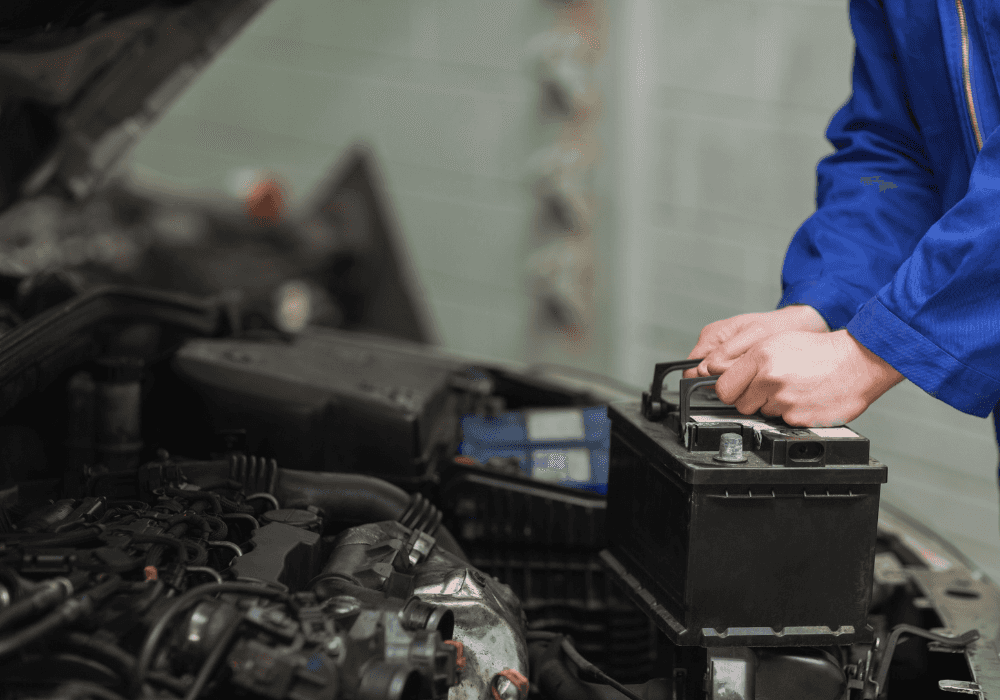
Your vehicle’s battery may be small, but it plays a vital role in getting you where you need to go. Every time you start your engine, the battery supplies the electrical power needed to crank the engine and power important systems. It also supports your lights, infotainment system, power windows, and many other electronic features.
Like all vehicle components, batteries have a limited lifespan. They gradually lose their ability to hold a charge, especially as they age or are exposed to extreme weather. Unfortunately, battery problems often appear with little warning, leaving drivers stranded at the most inconvenient times.
Knowing the signs of a failing battery can help you address the problem before it becomes a breakdown.
Slow Engine Cranking
One of the earliest signs of a weak battery is a slow engine crank when starting your vehicle.
If the engine turns over more slowly than usual or takes an extra second or two to start, the battery may not be supplying enough power. While a slow crank can sometimes indicate a problem with the starter or alternator, a weakening battery is one of the most common causes.
If you notice your vehicle becoming harder to start, it’s a good idea to have the battery tested before it fails completely.
Dashboard Battery Warning Light
Modern vehicles are equipped with a battery or charging system warning light on the dashboard. If this light illuminates while you’re driving, it doesn’t always mean the battery itself has failed, but it does indicate that something within the charging system requires attention.
The issue could involve the battery, alternator, wiring, or another electrical component. Because several systems work together to keep your battery charged, it’s important to have your vehicle inspected promptly whenever the warning light appears.
Ignoring the warning could eventually leave you unable to start your vehicle.
Dim Headlights and Electrical Problems
Your battery supplies power to many of your vehicle’s electrical components. As the battery weakens, you may begin noticing unusual electrical behavior.
Headlights may appear dimmer than normal, especially when the engine is idling. Interior lights may flicker, power windows may operate more slowly, and your infotainment system may take longer to start.
If several electrical components begin acting unusually at the same time, the battery or charging system may be losing its ability to provide consistent power.
Clicking Sound When Starting
When you turn the key or press the start button, you should hear the engine crank immediately.
If you hear a rapid clicking sound instead, the battery may not have enough power to engage the starter motor. Although other issues can also cause clicking noises, a discharged or failing battery is one of the most common explanations.
Rather than repeatedly attempting to start the vehicle, it’s best to have the battery tested to determine whether it needs to be recharged or replaced.
Corrosion Around the Battery Terminals
Open the hood and take a look at your battery from time to time. If you notice a white, blue, or green powdery substance around the battery terminals, corrosion may be interfering with the battery’s electrical connections.
Corrosion can reduce the battery’s ability to deliver power and may even prevent your vehicle from starting. Cleaning the terminals can sometimes restore a proper connection, but heavy corrosion may also indicate that the battery is nearing the end of its lifespan.
A professional inspection can determine whether cleaning the terminals is sufficient or if a replacement battery is the better solution.
An Older Battery
Even if your battery seems to be working normally, age is an important consideration.
Most car batteries last between three and five years, depending on driving habits, weather conditions, and maintenance. Batteries in areas with extremely hot or cold climates often wear out more quickly because temperature extremes place additional stress on the battery.
If your battery is approaching the end of its expected lifespan, having it tested during routine maintenance can help you avoid an unexpected failure.
Frequent Jump Starts
Needing one jump start because you accidentally left your lights on is understandable. However, if your vehicle regularly requires jump starts, it’s likely that the battery is no longer holding a charge effectively.
While the alternator recharges the battery while you drive, a worn battery may lose that charge quickly once the engine is turned off.
Repeated jump starts are a clear indication that your vehicle should be inspected before the problem leaves you stranded.
Why Battery Testing Is Important
Battery performance naturally declines over time, often without obvious warning. A professional battery test measures the battery’s condition and its ability to deliver sufficient starting power.
During a battery inspection, technicians may also check the charging system, inspect battery cables, clean the terminals if necessary, and verify that the alternator is functioning correctly.
Routine battery testing is especially valuable before winter or summer, when extreme temperatures place additional demands on your vehicle’s electrical system.
Simple Ways to Extend Battery Life
Although every battery will eventually need replacement, a few simple habits can help maximize its lifespan.
Avoid leaving headlights or interior lights on after turning off the vehicle, and limit the use of electronic accessories when the engine isn’t running. Driving your vehicle regularly also helps keep the battery charged, especially if it’s equipped with many electronic features.
Scheduling routine maintenance allows technicians to identify battery problems early and helps ensure the charging system continues operating properly.
Keep Your Vehicle Ready to Start
A failing battery rarely improves on its own. If you’ve noticed slow engine cranking, dim lights, dashboard warning lights, clicking sounds, corrosion around the terminals, or frequent jump starts, it’s time to have your battery inspected.
At Clement Ford, our experienced service technicians can test your battery, inspect your charging system, and determine whether your battery needs maintenance or replacement. We’ll help you stay ahead of unexpected battery problems so you can drive with confidence.
Schedule a battery inspection at Clement Ford today and make sure your vehicle is ready to start whenever the road calls.

0 comment(s) so far on Signs Your Car Battery Is About to Fail: Don’t Get Stranded