



When Should You Change Your Transmission Fluid? Signs Your Vehicle Needs Service
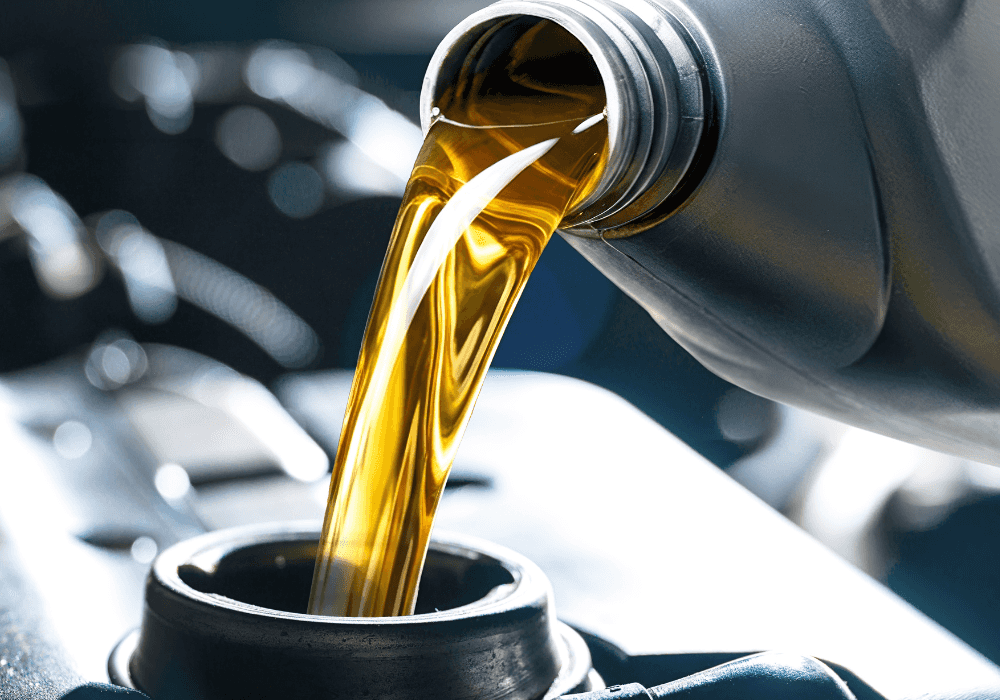
Your vehicle’s transmission is one of its most important mechanical systems, responsible for transferring power from the engine to the wheels and ensuring smooth gear changes. Whether you drive a Ford F-150, Explorer, Escape, Bronco, Mustang, or another Ford model, keeping your transmission in good condition is essential for dependable performance.
One of the best ways to protect your transmission is through regular transmission fluid service. Fresh transmission fluid lubricates moving parts, helps regulate temperature, and allows your transmission to shift smoothly. Neglecting this important maintenance item can lead to poor performance, costly repairs, and even complete transmission failure.
Understanding when to change your transmission fluid and recognizing the warning signs of transmission problems can help extend the life of your vehicle.
Why Transmission Fluid Is Important
Transmission fluid does much more than simply lubricate gears. It helps cool internal transmission components, reduces friction between moving parts, and provides the hydraulic pressure needed for smooth gear changes in automatic transmissions.
Over time, transmission fluid naturally breaks down from heat and everyday use. As it ages, it becomes less effective at protecting internal components and may become contaminated with dirt and tiny metal particles created through normal wear.
When transmission fluid loses its effectiveness, the transmission has to work harder, increasing the risk of premature wear and expensive repairs.
How Often Should Transmission Fluid Be Changed?
There isn’t a single maintenance schedule that applies to every vehicle. The recommended interval depends on your Ford model, the type of transmission, your driving habits, and the manufacturer’s maintenance schedule.
Many Ford vehicles may require transmission fluid service somewhere between 30,000 and 60,000 miles, while others may have longer recommended intervals. Vehicles used for towing, hauling heavy loads, frequent stop-and-go driving, or operating in extreme temperatures may benefit from more frequent transmission inspections and fluid changes.
The best source for your specific maintenance schedule is your owner’s manual. If you’re unsure, a qualified Ford service technician can inspect your transmission fluid and recommend the appropriate service interval.
Signs Your Transmission Fluid May Need Attention
Even if your vehicle hasn’t reached its recommended service interval, there are several warning signs that shouldn’t be ignored.
One of the first symptoms many drivers notice is rough or delayed shifting. If your transmission hesitates before changing gears or shifts more harshly than usual, old or contaminated transmission fluid may be contributing to the problem.
You may also notice unusual noises such as whining, humming, or grinding while driving. These sounds can indicate that the transmission isn’t being properly lubricated.
Another common warning sign is transmission fluid leaking beneath your vehicle. Transmission fluid is typically red or reddish-brown, and any noticeable leak should be inspected promptly before fluid levels become dangerously low.
A burning smell may also indicate overheated transmission fluid that is no longer providing adequate protection for internal components.
If your vehicle begins slipping between gears or struggles to accelerate smoothly, professional service should be scheduled as soon as possible.
The Benefits of Routine Transmission Service
Replacing transmission fluid at the recommended intervals offers several important benefits.
Fresh fluid helps maintain smooth shifting, reduces friction between internal components, and assists with temperature control during everyday driving. It also helps remove contaminants that naturally accumulate over time, reducing unnecessary wear on the transmission.
Routine transmission maintenance may also improve overall driving performance while helping extend the lifespan of one of your vehicle’s most expensive components.
Like routine oil changes, transmission service is a relatively small investment that can help prevent much larger repair bills in the future.
What Happens During a Transmission Service?
During a transmission service, technicians inspect the condition of the transmission fluid and look for signs of contamination or excessive wear.
Depending on your vehicle and the recommended service procedure, the old transmission fluid may be drained and replaced with fresh fluid that meets Ford’s specifications. Technicians may also replace the transmission filter, inspect seals and gaskets, and check for leaks or other developing concerns.
A complete inspection helps identify potential issues before they become major transmission repairs.
When Transmission Repair May Be Needed
While routine fluid changes help keep your transmission operating properly, maintenance alone cannot prevent every problem.
If your vehicle continues to experience rough shifting, delayed gear engagement, slipping gears, transmission warning lights, fluid leaks, or unusual noises after routine service, additional diagnosis may be necessary.
These symptoms can indicate worn internal components, failing solenoids, damaged seals, or other mechanical issues that require professional repair. Addressing transmission problems early often helps prevent additional damage and can reduce overall repair costs.
Ignoring transmission warning signs may eventually lead to complete transmission failure, which is significantly more expensive than repairing smaller issues when they’re first detected.
Professional Ford Transmission Repair You Can Trust
Ford transmissions are engineered for durability and performance, but like any major vehicle component, they require proper maintenance and expert care.
At Clement Ford, our factory-trained technicians understand the unique engineering of Ford transmissions and use manufacturer-recommended diagnostic equipment, fluids, and repair procedures. Whether your Ford needs routine transmission maintenance, a fluid replacement, diagnostic testing, or a more extensive transmission repair, our team has the experience to get the job done right.
Using the correct transmission fluid and following Ford’s service recommendations helps ensure your vehicle continues to deliver the performance and reliability you expect.
Keep Your Ford Shifting Smoothly
Your transmission works hard every time you drive, and routine maintenance is one of the best ways to protect it. Following your recommended transmission fluid service schedule, paying attention to warning signs, and addressing small issues before they become major problems can help extend the life of your transmission and improve your overall driving experience.
If you’ve noticed rough shifting, delayed acceleration, fluid leaks, or other transmission concerns, don’t wait for the problem to get worse. Schedule a transmission inspection or Ford transmission repair at Clement Ford today. Our experienced service team is ready to help keep your Ford performing at its best for every mile ahead.

0 comment(s) so far on When Should You Change Your Transmission Fluid? Signs Your Vehicle Needs Service